Mostrando postagens com marcador chow yun fat. Mostrar todas as postagens

domingo, 12 de abril de 2020

WHY CHOW YUN FAT IS THE COOLEST HONG KONG ACTOR OF ALL TIME?


(Chow Yun Fat na icônica cena de "O Tigre e o Dragão",2000)
(Chow Yun Fat plays the iconic scene of "Crouching Tiger, Hidden Dragon", 2000)

By 
Thiago Pereira


Certa vez uma  repórter perguntou numa coletiva de imprensa como Chow Yun Fat trataria  uma pessoa que amasse na vida real:

"...Não existe maneira de dizer isso de forma sucinta,eu necessitaria de um longo tempo se fossemos falar sobre amor. Porque existem muitas formas de se falar sobre amor e não se pode explicar maneira tão simples. 
O amor que eu tenho pela minha esposa por exemplo,é completamente diferente do amor que você fala. Mesmo ao se dizer 'Eu te amo' em cantonês é diferente do que falar em mandarim ou inglês.
Como nós dois falamos cantonês, você entenderia o 'amor' de que eu falo. E você estará
hábil a escrever sobre isso de forma acurada.  Então deixe-me seu cartão que depois eu
te falo sobre 'amor' com mais calma.Mas como ator, é fácil falar sobre 'amor' de acordo com
o que está escrito no script..."

A reporter once asked at a press conference how Chow Yun Fat would treat someone he loves in real life:

"... There is no way to say it succinctly, I would need a long time if we were going to talk about love. Because there are many ways to talk about love and it cannot be explained so simply.
The love I have for my wife, for example, is completely different from the love you speak. Even saying 'I love you' in Cantonese is different than speaking Mandarin or English.
Since we both speak Cantonese, you would understand the 'love' I speak of. And you will be able to write about it accurately. So leave me your card and then I'll talk to you about 'love' more calmly. But as an actor, it's easy to talk about 'love' according to what is written in the script ... "

Chow Yun Fat estrelou uma novela na TV chamada "The Bund" em 1980(Disponível no catálogo da NETFLIX Brasil). A série contava a história de ascensão de um gangster na Shang Hai da década de '30. A novela foi um sucesso incrível em toda a Ásia e fez dele rapidamente uma grande estrela.
Porém, mais tarde, já com um fortuna de mais de 1 bi de HK Dollars, ele deu a seguinte declaração: "...O desafio não é o quanto você faz de dinheiro na vida, mas como você mantém uma mentalidade tranquila e vive o resto de sua vida de uma maneira simples e sem muitas preocupações... - Ele completa dizendo- "Meu sonho é ser uma pessoa feliz".

Chow Yun Fat starred in a TV soap opera called "The Bund" in 1980 (Available in the NETFLIX Brasil catalog). The series tells the story of a gangster's rise in 1930´s Shang Hai. The soap opera was an incredible success across Asia and quickly made him a big star.
However, later, with a fortune of more than 1 billion HK Dollars, he made the following statement: "... The challenge is not how much money you make in life, but how you maintain a calm mindset and live the rest of your life in a simple way and without many worries" ... - He completes saying- "My dream is to be a happy person".
(Com as redes sociais, foi descoberto o estilo de vida simples de Chow Yun Fat)
(With social media, Chow Yun Fat’s simple lifestyle was discovered)


Essa atitude não é de agora, desde muito tempo, Chow Yun Fat em suas entrevistas fala que leva uma vida comum. E recentemente, ele ganhou as manchetes quando afirmou que doaria toda sua fortuna avaliada em mais de 700 milhões de US Dollars, para a caridade. Disse ele sorrindo: "...O dinheiro não é meu, estou apenas mantendo ele por enquanto..."

This attitude is not new, Chow Yun Fat in his interviews says that he leads an ordinary life. And recently, he made headlines when he said he is going to donate his entire fortune valued at more than 700 million US Dollars, to charity. He said smiling: "... The money is not mine, I'm just keeping it for now ..."
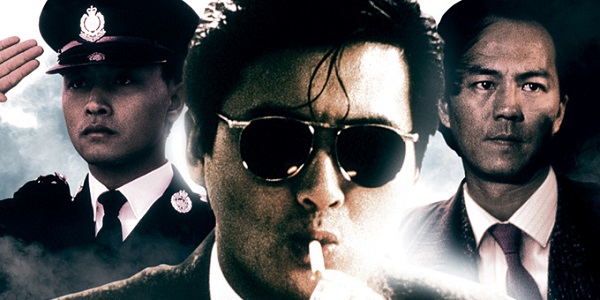
Chow Yun Fat ficou conhecido entre os anos '80 e anos '90 pelos aficionados por filmes de gangsters de Hong Kong como "O Rei das Berettas". Isso porque seu grande parceiro cinematográfico, o lendário Diretor e roteirista John Woo, ao dar uma entrevista sobre um dos maiores sucessos da dupla chamado "Fervura Máxima" (Hard Boiled, 1992), teria dito: "Dê duas berettas nas mãos desse homem e ele se torna Deus".  - Desta forma, desde seu primeiro sucesso sob a direção de John Woo em 1986 chamado "A Better Tomorrow"(1986), o uso de duas Berettas pelos personagens de Chow Yun Fat escritos por John Woo, se tornaram sua marca registrada, e influenciaram a cultura pop da época em Hong Kong.

Chow Yun Fat became known between the '80s and' 90s by fans of Hong Kong gangster films as "The King of Berettas". That's because his great cinematographic partner, the legendary Director and screenwriter John Woo, when giving an interview about one of the duo's greatest hits called "Hard Boiled"(1992), would have said: "Give two berettas in the hands of this man and he becomes God ". - Thus, since his first success under the direction of John Woo in 1986 called "A Better Tomorrow" (1986), the use of two Berettas by the characters of Chow Yun Fat written by John Woo, became his trademark, and influenced the pop culture of the time in Hong Kong.
Sobre o uso de armas em seus filmes, Chow Yun Fat diz que as odeia assim como odeia sangue- "Mas eu sou um ator, e John (John Woo) parece adorar armas e o som dos tiros. Então quando ele grita 'Ação!' eu preciso trabalhar". - Explica ele rindo.
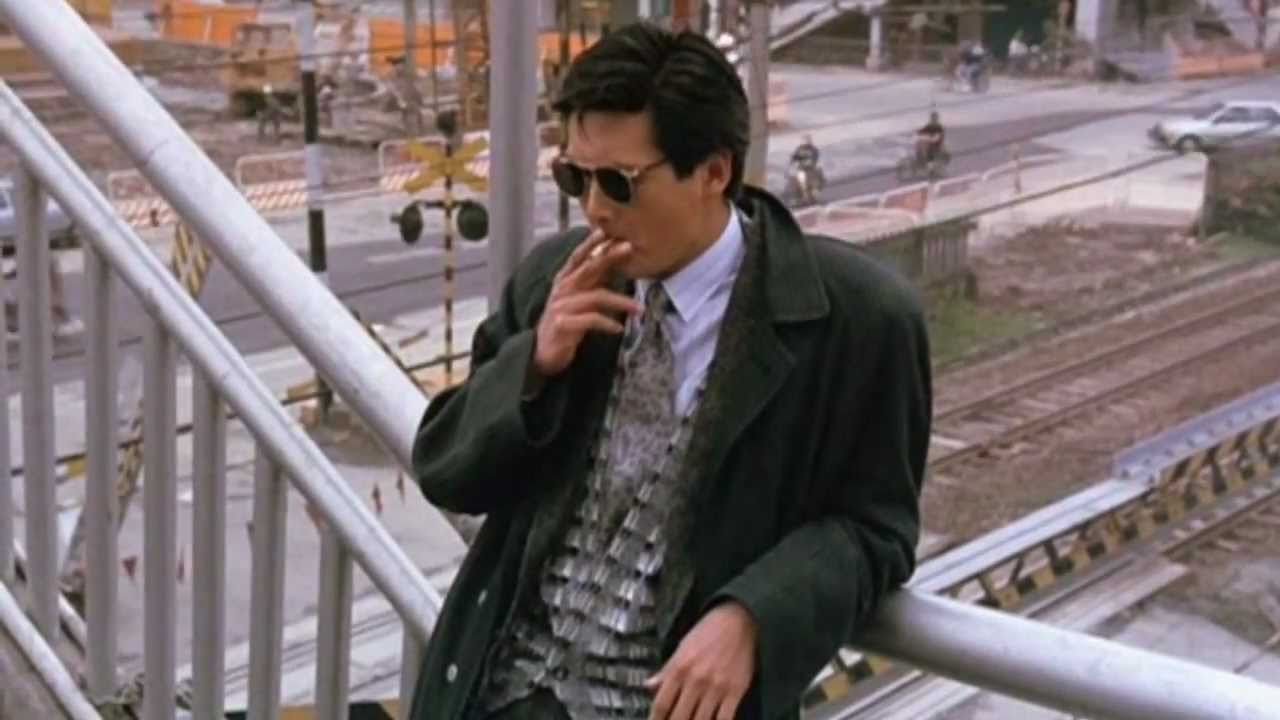
Em outra oportunidade, Chow Yun Fat foi perguntado sobre a violência presente em filmes como "The Killer"(1989) onde ele interpreta um assassino(FOTO). Chow diz: "... Os personagens que interpreto não são tão rasos. Você não pode dizer que um assassino é mau ou bom. Nesse mundo em que esses personagens vivem, esse é o trabalho deles. Eles não matam por ódio, são apenas negócios..."

Regarding the use of weapons in his films, Chow Yun Fat says he hates them as much as he hates blood- "But I'm an actor, and John (John Woo) seems to love guns and the sound of gunshots. So when he screams' Action! ' I need to work". - Explains him laughing.
On another occasion, Chow Yun Fat was asked about the violence present in films like "The Killer" (1989) where he plays a murderer (PHOTO). Chow says: "... The characters I play are not so shallow. You can't say that a killer is a bad or good person. In this world that these characters live in, that's their job. They don't kill out of hate, that´s just Business..."
[John Woo no set de "Fervura Máxima"(Hard Boiled,1992) explica como segurar e apontar a arma].
[John Woo on the set of "Hard Boiled"( 1992) explains how to hold and point the gun].

A parceria entre John Woo e Chow Yun Fat é lendária na industria cinematográfica de Hong Kong. Chow Yun Fat, ficou famoso por sua elegância e charme ao interpretar personagens do submundo. Segundo ele, tudo começou quando em "A Better Tomorrow"(1986), conversou com John Woo se poderia colocar algumas camadas a mais em seu famosíssimo personagem Mark. "Veja John, eu tenho experiência eu tenho uma história para contar. Você se incomodaria em mudar um pouco a cena para que eu pudesse colocar mais da minha performance? Ele sempre me dava espaço para colocar bastante de mim nos papéis. Muitos diretores não permitem isso, mas John Woo permite muitas coisas aos atores para colocarem suas ideias em seus papéis. " - Afirmou Chow Yun Fat.
Abaixo, você confere uma das cenas mais antológicas do cinema de Hong Kong no Século 20. Observe uma série de marcas registradas da Direção de John Woo, como o tiroteio em camera lenta, que o público ocidental só teria contato quando ele dirigiu "Missão Impossível 2" (MI:2 , 2000). Toda essa poesia visual e sonora, somada ao charme de Chow Yun Fat como o mafioso Mark em "A Better Tomorrow". Perceba como John Woo usa a trilha sonora com intérpretes da década de '30 (artifício usado quase vinte anos depois por Stephen Chow em "Kung Fu Hustle") para criar a tensão na cena. Além disso, somos brindados com a primeira vez que Chow Yun Fat mata em cena usando duas Berettas. Como dito acima, algo que se tornaria sua marca registrada:

The partnership between John Woo and Chow Yun Fat is legendary in the Hong Kong film industry. Chow Yun Fat, became famous for his elegance and charm when playing characters from the underworld. According to him, it all started when in "A Better Tomorrow" (1986), he talked with John Woo if he could put a few more layers on his famous character Mark. "See John, I have experience, I have a story to tell. Would you mind changing the scene a little so I could put more of my performance on? He always gave me space to put a lot of me in the roles. Many directors don't allow that, but John Woo allows actors a lot of things to put their ideas into their roles. "- Chow Yun Fat said.
Below, you can check out one of the most anthological scenes of Hong Kong cinema in the 20th century. Observe a series of trademarks by the Director of John Woo, such as the slow-motion shooting, which the western audience would only have contact with when he directed "Mission Impossible 2 "(MI: 2, 2000). All this visual and sound poetry, added to the charm of Chow Yun Fat as the mobster Mark in "A Better Tomorrow". Notice how John Woo uses the soundtrack with interpreters from the '30s (a device used almost twenty years later by Stephen Chow in "Kung Fu Hustle") to create tension in the scene. In addition, we are treated to the first time that Chow Yun Fat kills on the scene using two Berettas. As stated above, something that would become your trademark:
 
Sobre a explicação da razão desta parceria com John Woo dar tão certo. Chow Yun Fat comenta: "...Nós falamos de tudo: Desde os cenários até o figurino. Algumas vezes, ele me ensina coisas sobre como me posicionar em relação à câmera para que eu pareça melhor, mais legal...Ou para que eu possa saltar da tela e não ser um ator comum..."

On the explanation of why this partnership with John Woo works so well. Chow Yun Fat comments: "... We talk about everything: From the sets to the costumes. Sometimes, he teaches me things about how to position myself in relation to the camera so that I look better, cooler ... Or so that I can jump off the screen and not be an ordinary actor ... "

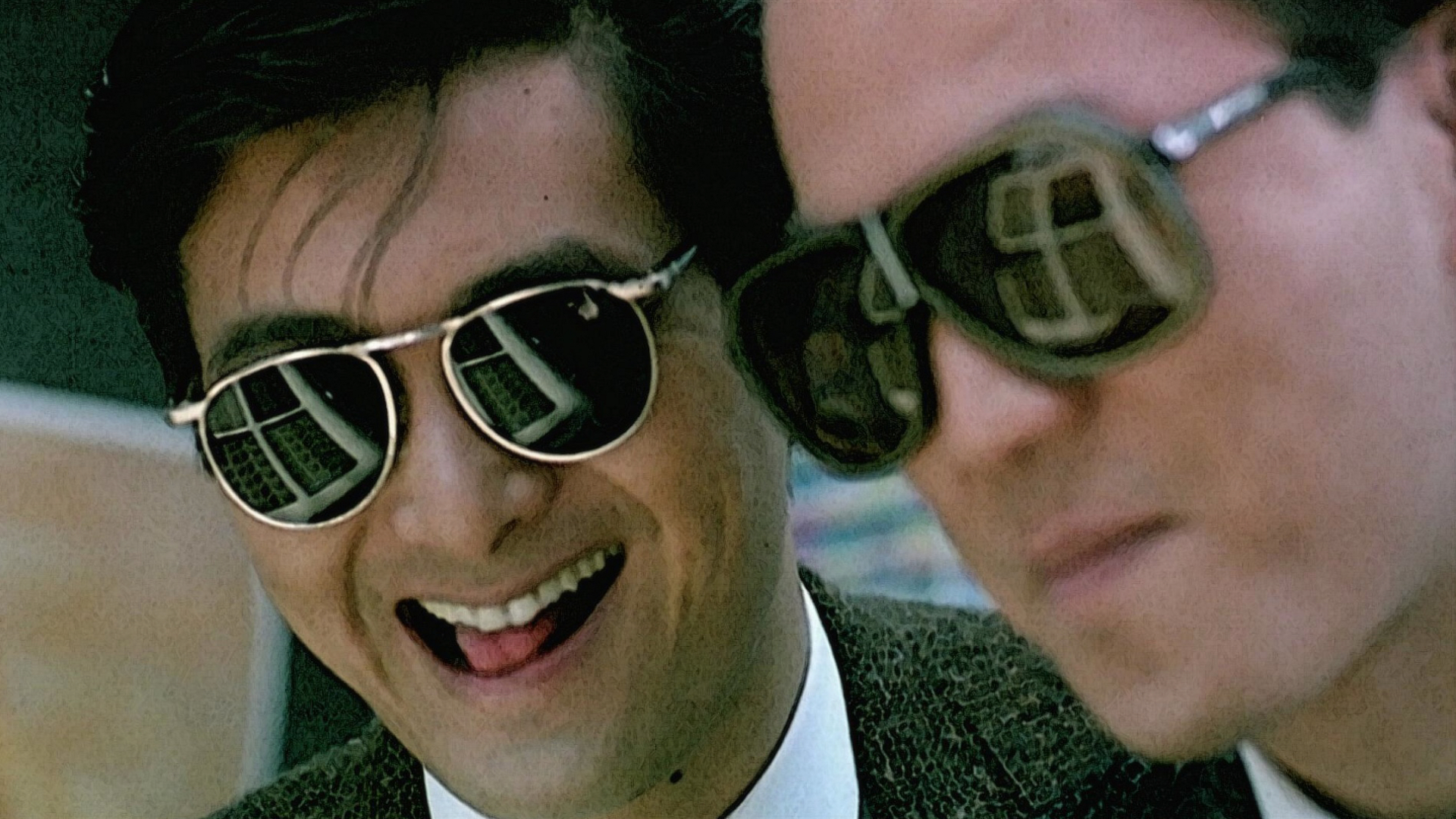
Em 1998(FOTO) ao lado de Mira Sorvino, Chow Yun Fat estrela "Assassinos Substitutos"(Replacement Killers, 1998). Um filme que recebeu a seguinte crítica do principal crítico de Los Angeles à época: "Puro lixo".
Na verdade, o filme era uma cópia mal feita dos filmes de gangsteres de Hong Kong que vinham fazendo tanto sucesso a mais de dez anos desde "A Better Tomorrow" em 1986.
Talvez os produtores não tenham tido confiança suficiente num diretor asiático, para entregar a produção na mão de John Woo. Portanto parecem ter decidido chamar Antoine Fuqua.
Sobre Hollywood, Chow Yun Fat diz: "Acredito que todo o ator no mundo quer ter uma chance em Hollywood. Mas nesse momento eu só posso fantasiar em como chegar até lá. Para uma ator ator asiático é muito dificil, e Bruce Lee foi uma exceção. Muitas pessoas não sabem o que 'Chow Yun Fat' seria capaz de fazer num filme. Muitos diretores e atores conhecem filmes chineses, mas 
o grande público? Não tenho certeza. Mas meu objetivo é ainda fazer um grande filme com Jonh Woo em Hollywood um dia. .."

In 1998 (PHOTO) alongside Mira Sorvino, Chow Yun Fat stars "Replacement Killers"(1998). A film that received the following criticism from the main critic of Los Angeles at the time: "Pure garbage".
In fact, the film was a poorly made copy of the Hong Kong gangster films that had been so successful for more than ten years since "A Better Tomorrow" in 1986.
Perhaps the producers did not have enough confidence in an Asian directors to hand the production over to John Woo. So they seem to have decided to call Antoine Fuqua.
About Hollywood, Chow Yun Fat says: "I believe that every actor in the world wants to have a chance in Hollywood. But right now I can only fantasize about how to get there. For an Asian actor it is very difficult, and Bruce Lee was a exception. Many people don't know what 'Chow Yun Fat' would be able to do in a film. Many directors and actors know Chinese films, but the general public? I'm not sure. But my goal is still to make a great film with John Woo in Hollywood one day ... "
No mesmo ano em que "Missão Impossível 2"(MI:2 ,2000) se tornou o grande Blockbuster do verão dirigido por John Woo e estrelado por Tom Cruise. Chow Yun Fat dava vida à Li Mu Bai na tão sonhada obra de Ang Lee(FOTO) baseada no genero "Wu Xia" de literatura chamada "O Tigre e o Dragão"(Crouching Tiger, Hidden Dragon , 2000).
A presença, a elegância e a imponência sutil de Chow Yun Fat. Deram uma credibilidade ímpar ao personagem que aparecia como um grande mestre de artes marciais.
Foi nesse mesmo período, a partir de sua boa relação com Ang Lee, que Chow Yun Fat desenvolveu sua paixão por fotografia. Lhe chamava à atenção de Chow, a capacidade de Ang Lee perceber sutilezas em locais que mais tarde se tornaram locações para o filme.

In the same year that "Mission Impossible 2" (MI: 2, 2000) became the great summer Blockbuster directed by John Woo and starring Tom Cruise. Chow Yun Fat gave life to Li Mu Bai in the long-dreamed work of Ang Lee (PHOTO) based on the genre "Wu Xia" of literature called "Crouching Tiger, Hidden Dragon"( 2000).
Chow Yun Fat's presence, elegance and subtle grandeur. He gave a unique credibility to the character who appeared as a great martial arts master.
It was in that same period, from his good relationship with Ang Lee, that Chow Yun Fat developed his passion for photography. It caught Chow's attention, Ang Lee's ability to perceive subtleties in places that later became locations for the film.
Um dos trabalhos mais recentes de Chow Yun Fat , é um filme escrito e dirigido pelo renomado cineasta Wong Jing chamado "Da Shang Hai" (The Last Tycoon, 2012)[PHOTO]. Nele, Chow Yun Fat interpreta um gangster que de fato existiu e transmite a sua velha elegância e violência romantica nesse personagem. É como assistir Clint Eastwood em "Os Imperdoáveis" (The Unforgiven, 1992) : "Espero que os diretores continuem me colocando em filmes de ação. Eu ainda posso fazer isso. De preferência
usando duas armas por vez." - Disse ele em uma das coletivas de imprensa para divulgar o filme.


One of Chow Yun Fat's most recent works is a film written and directed by renowned filmmaker Wong Jing called "Da Shang Hai" (The Last Tycoon, 2012). In it, Chow Yun Fat plays a gangster who did exist in real life and conveys his old elegance and romantic violence in this character. It's like watching Clint Eastwood in "The Unforgiven"(1992): "I hope the directors continue to put me in action movies. I can still do that. Preferably using two guns at the same time." - He said at one of the press conferences to promote the film.
Para quem quiser saber mais sobre os filmes citados aqui. Existem outros artigos em minha página falando da obra desse brilhante ator. Todos em português e inglês:

For those who want to know more about the films mentioned here. There are other articles on my page talking about the work of this brilliant actor. All in Portuguese and English:

1)  BEFORE IP MAN MOVIES, THERE WAS "GOD OF GAMBLERS" (CLICK AQUI/HERE)
2) "A Better Tomorrow" and the Chinese Mafia.(CLICK AQUI/HERE)

quinta-feira, 19 de abril de 2018

LOVE IN CHINESE CULTURE: An analysis of the film through Kung Fu Life.

Lembro com felicidade das cinco vezes em que assisti o clássico "O Tigre e o Dragão" (Crouching Tiger, Hidden Dragon - 2000) que faz parte de uma pentalogia de livros (sem tradução para idiomas ocidentais) de wuxia.
Wuxia (武俠) é um gênero literário sobre heróis que seguem um código de ética próprio da sociedade imanente na qual estão inseridos chamada "Jiang Hu"(江湖). Este é um termo que data do século IV antes de Cristo. "Jiang Hu"(江湖) significa "Rios e Lagos", e talvez isso se refira ao fato de que em livros do gênero Wuxia (武俠), o que destaca os verdadeiros Mestres é sua capacidade de planar (promoverem voos na horizontal) e assim, sendo os únicos capazes de lutar sobre "Rios e Lagos".

Crouching Tiger, Hidden Dragon (2000) that is part of a book anthology (without translation for western languages) of wuxia.
Wuxia (武俠) is a literary genre about heroes that accompany a code of ethics proper to the immanent society in which are inserted called "Jiang Hu" (江湖). This is a term dating from the fourth century BC. "Jiang Hu" (江湖) means "Rivers and Lakes",what highlights the true Masters in "Jiang Hu" (江湖) is their ability to glide (promote horizontal flights) Thats what is called "Rivers and Lakes".Because they are the only ones able to fight over those places.
Ao longo de 19 anos, não consigo me lembrar do número exato de vezes que procurei Si Fu para falar de algum tema relacionado a questões sentimentais. Si Fu sempre respeitou cada uma de minhas escolhas. E mesmo ao longo de 19 anos, ele apenas três vezes deu sua opinião: Enquanto almoçávamos no Shopping Barra Garden,  ele disse: " ...Thiago, por que você não acaba com isso?" . Apenas um ano depois , ao final de uma outra história ele comentou enquanto tomava sopa com ele, Carlos Antunes e Thiago Silva no Tio Frank no bairro da Freguesia: "...Posso falar Thiago? Ela não tinha nada a ver com você..." . E um ano depois ele fez um pedido, no mesmo Tio Frank durante um almoço de Sábado: "... Thiago, não termina. Fica com ela mais um ano...." - E eu fiquei.
Em cada uma dessas vezes, ouvi com muita surpresa e atenção, pois devido a reserva de Si Fu com suas orientações, quando ele falava coisas assim, me fazia realmente levar a sério.

Over the course of 19 years, I can not remember the exact number of times I looked for Si Fu to talk about some topic related to sentimental issues. Si Fu always respected each of my choices. And even over 19 years, he only three times gave his opinion: While we were having lunch at Barra Garden Mall, he said: "... Thiago, why do not you end this?" . Only a year later, at the end of another story he commented while taking soup with him and Thiago Silva at Uncle Frank's in the neighborhood of the Freguesia: "... Can I say something Thiago? She had nothing to do with you ...". And a year later he made a request, in the same Uncle Frank's during a Saturday lunch: "... Thiago, does not end this. Hold on one year more ..." - And I kept that.
At each of these times, I listened with much surprise and attention, because Si Fu's reservation with his orientations when he said things like that, made me really take it seriously.
Porém, Si Fu me fez um pedido que não consegui atender: Me pediu para que eu sempre respeitasse a pessoa que estivesse comigo. Acontece, que em alto nível, "respeito" significa você "Olhar novamente", etimologicamente falando. Respeitar significa : Respeitar a distância, respeitar o silêncio, respeitar o desejo da pessoa , seja consciente ou inconsciente, de partir ou de ficar. Respeitar significa em última instância, se conectar honestamente com o outro, e fazer o que a relação pede, e não o que você queria. E talvez, todas essas falas de Si Fu, tenham relação com a minha falta de respeito com a pessoa, com o cenário e comigo.

But Si Fu made a request that I could not answer: He asked me to always respect the person who was with me. It turns out, that at a high level "respect" means you "look again", etymologically speaking. "To respect" means to "respect the distance", "respect the silence", "respect the desire of the person", whether conscious or unconscious, of leaving or staying. Respecting ultimately means connecting honestly with one another, and doing what the relationship asks for, not what you wanted. And maybe, all these lines of Si Fu, relate to my lack of respect for the person, the scenery and for me.
Em "O Tigre e o Dragão" (Crouching Tiger, Hidden Dragon - 2000) , logo na primeira sequência, observamos através da conversa dos personagens Li Mu Bai (Chow Yun Fat) e Shu Lien (Michelle Yeoh), que o filme se trata de uma história de um legatário (Li Mu Bai) , que apesar de ser um exímio artista marcial, possui um "furo" em seu Kung Fu. Diz ele a Shu Lien: "...Durante munha meditação, cheguei a um lugar de profundo silêncio..." - Li Mu Bai se mostra confuso com a sensação que experimentou e decide se desfazer de sua famosa espada "Destino Verde".

In Crouching Tiger, Hidden Dragon (2000), in the first sequence, we observe through the conversation of the characters Li Mu Bai (Chow Yun Fat) and Shu Lien (Michelle Yeoh), that the film is about of a story of a legatee (Li Mu Bai), who despite being an accomplished martial artist, has a "hole" in his Kung Fu. He says to Shu Lien: "... During my meditation, I came to a place of deep silence ..." - Li Mu Bai is confused by the sensation he experienced and decides to discard his famous "Green Destiny" sword.
"...Estava cercado por luz. Tempo e espaço haviam desaparecido. Eu senti que havia chegado a um lugar que meu Si Fu nunca havia me falado..." - Revela Li Mu Bai a Shu Lien. Ela pergunta se ele havia se "Iluminado". Ele responde que se viu longe disso. Na verdade, sentiu um profundo vazio, algo o puxava de volta, algo, que ele não poderia deixar pra trás...

"... I was surrounded by light, time and space had disappeared, I felt that I had reached a place that my Si Fu had never told me ..." - Reveals Li Mu Bai to Shu Lien. She asks if he had become "Enlightened." He replies that he saw himself far from it. In fact, he felt a deep void, something pulled him back, something he could not leave behind ...
Finalmente, o artista marcial que assiste a essa obra prima de Ang Lee, através do olhar desconcertado de Shu Lien, percebe que Li Mu Bai é apaixonado por ela. E usa dos diferentes níveis de expressão do idioma chinês para poder deixar claro seu sentimento.

Finally, the martial artist who watches this masterpiece of Ang Lee, through the disconcerted look of Shu Lien, realizes that Li Mu Bai is in love with her. And use the different levels of expression of the Chinese language to be able to make clear his feelings.
Para deixar ainda mais claro seu sentimento, Li Mu Bai pede a Shu Lien que leve sua espada para Beijing e a entregue de presente a um amigo em comum. Shu Lien questiona Li Mu Bai sobre este ato, e usando mais uma vez de metáforas idiomáticas, ele explica suas razões.

To make his feelings even clearer, Li Mu Bai asks Shu Lien to take his sword to Beijing and hand it as a gift to a mutual friend. Shu Lien questions Li Mu Bai about this act, and again using idiomatic metaphors, he explains his reasons.
(Cristiano Chaves, Romarinho, eu, Gil Batista, Si Fu e Jade , visitando 
a sala onde seria o Estúdio Barra em 2004)

(Cristiano Chaves, Romarinho, me, Gil Batista, Si Fu and Jade, visiting
the room where the Barra Studio would be established in 2004)


Si Fu  sempre fala que podemos dizer a alguém "Eu te amo", mas não podemos dizer "Eu te zelo".Ele diz que o "Zelo" é o "amor em movimento"."Eu te amo" pode ficar somente em palavras, mas o zelo, pede ação. O problema, é que quanto mais sutil você é, menos a outra pessoa talvez perceba a sua atenção cuidadosa. E quem sabe, ainda te culpe por falta de atenção para com ela.

Si Fu always says that we can tell someone "I love you", but we can not say "I zeal you."
He says the "zeal" is "love in motion."
"I love you" can be only in words, but the zeal, calls for action.
The problem is that the more subtle you are,  the other person might not see your careful attention. And who knows, you still be blamed for lack of attention to her.


Li Mu Bai sugere sutilmente que vai abandonar a espada, numa clara referência de que deixará  "Jiang Hu"(江湖), o mundo imanente no qual vivem os artistas marciais nas obras literárias. Li Mu Bai e Shu Lien , são "irmãos Kung Fu", e por respeitarem a conduta ética de  "Jiang Hu"(江湖) , o equivalente ao "Mo Lam"(武林), local no qual vivem os praticantes de artes marciais chinesas.
Deixar  "Jiang Hu"(江湖) , seria segundo o entendimento dele, a única maneira de poder dar vasão aos sentimentos por Shu Lien.

Li Mu Bai subtly suggests that he will abandon his sword, in a clear reference that he will leave "Jiang Hu" (江湖), the immanent world in which martial artists live in literary works. Li Mu Bai and Shu Lien, are "Kung Fu brothers", and respect the ethical conduct of "Jiang Hu" (江湖), the equivalent of "Mo Lam" (武林), where Chinese martial artists live .
This, according to his understanding, would be the only way to show his feelings to Shu Lien.
Ao entregar a espada para o amigo dela e de Li Mu Bai, ele chama sua atenção para o fato de que Li Mu Bai desistir da espada, pode significar algo mais do que apenas o ato em si.

By handing the sword over to their friend , he draws her attention to the fact that Li Mu Bai gives up the sword, can mean more than just the act itself.
Sir Te, comenta que "Quando se trata de emoções , mesmo grandes heróis podem ser idiotas."

Sir Te comments, "When it comes to emotions, even great heroes can be idiots."

(Com Si Fu e demais membros do Grande Clã Moy Yat Sang na Barra da Tijuca)
(With Si Fu and other members of the Grand Clan Moy Yat Sang in Barra da Tijuca)

Viver no "Mo Lam"(武林) não é fácil. Si Fu conversa sempre comigo sobre a importância de não deixarmos com que um momento de adversidade que possamos estar vivendo, nos exponha demais. Si Fu diz: "...Quando a experiência transborda , deixamos a pessoa tomar a frente do artista marcial..."

Living in "Mo Lam" (武林) is not easy. Si Fu always talks to me about the importance of not letting a moment of adversity that we may be living, expose us too much. Si Fu says: "... When the experience overflows , the person within takes the front of the martial artist ... "
Estamos próximos ao final do filme, e Li Mu Bai toca em uma das mãos de Shu Lien enquanto ela lhe serve chá. Apesar de todos os acontecimentos de combate, a cena nos leva de volta ao ponto de partida: A incapacidade de dois artistas marciais de alto nível, lidarem com seus sentimentos.

We are near the end of the film, and Li Mu Bai touches one of Shu Lien's hands as she serves him tea. Despite all combat events, the scene takes us back to the starting point: The inability of two high-level martial artists to deal with their feelings.
A seguir, Li Mu Bai deixa os sentimentos transbordarem, e o grande artista marcial, dá lugar ao homem. Ao homem que nunca aprendeu a expressar seus sentimentos. Exatamente por seu Si Fu ter sido alguém que usava as mulheres como objeto, como no caso com a "Raposa de Jade" (outra personagem da trama). Faltou a Li Mu Bai este aprendizado. E percebemos que mesmo os grandes mestres são falhos quando a experiência transborda.

Next, Li Mu Bai lets the feelings overflow, and the great martial artist, gives place to the inside him. To the man who never learned to express his feelings. Exactly because his Si Fu was someone who used women as an object, as in the case with the "Jade Fox" (another character of the plot). This learning was lacking to Li Mu Bai. And we realize that even the great masters are flawed when experience overflows.
(Comemoração do aniversário da Si Suk Ursula Lima em Jacarepaguá)
(Si Suk Ursula Lima´s birthday celebration at the former MYVT Jacarepagua School)

Eu costumava chegar sempre cedo demais quando marcava de passar na casa de Si Fu. Não importava o quão cedo chegasse, ele sempre descia na hora. Um dia Si Fu disse: "Pereira, chegar no horário também é uma arte. Você gosta de chegar antes da hora, mas isso atrapalha. Chegar atrasado atrapalha, chegar cedo atrapalha. Sabe quando cruza a Linha Central? Você precisa chegar no horário marcado, nem antes nem depois. Lembra: Você é um praticante de Ving Tsun, não o cara que sempre chega cedo." -  E assim, entendemos que se nos adiantarmos demais ou nos demorarmos demais, pode ser o suficiente para perdermos o timming.

I used to always arrive too early when I had an appointment with Si Fu at his place . No matter how soon he arrived, he always came down on time. One day Si Fu said: "Pereira, arriving on time is also an art. You like to get there early, but it gets in the way as the same as you get late. You are a Ving Tsun practitioner, not the guy who always comes early." - And so, we understand that if we go too far or take too long, it may be enough to lose the timing.
Por fim, Li Mu Bai morre. E Shu Lien finalmente consegue expressar seus sentimentos enquanto seu amante de uma vida agoniza. Pois é somente a experiência de vida e morte que a leva a um outro estado de consciência, que a permite se expressar com honestidade consigo mesma. Porém, já é tarde demais... Ambos perderam o timming e já não há mais nada a se fazer...

Finally, Li Mu Bai dies. And Shu Lien finally manages to express her feelings while her lover of a life dies. Only the experience of life and death leads her to another state of consciousness, which allows her to express herself with honesty. However, it's already too late ... Both have lost their timings and there's nothing left to do ...
(Si Fu me anuncia como Testemunha Honorável de uma Cerimônia. 
Ao meu lado estão Cris Chaves e Vladimir Anchieta.)

(Si Fu announces me as an Honorable Witness of a Ceremony.
At my side are Cris Chaves and Vladimir Anchieta.)

E talvez, no final das contas  "O Tigre e o Dragão" (Crouching Tiger, Hidden Dragon - 2000), se trate apenas do último nível de amadurecimento para um artista marcial: A capacidade de ser honesto consigo mesmo. Pois esta talvez seja a única forma de respeitar, de maneira contínua a outra pessoa, a si mesmo e principalmente: Os diferentes momentos de uma relação, e o que cada momento desse está pedindo. E lembrar, que muito cedo e muito tarde, ambos atrapalham, estão fora do timming.

And perhaps ultimately "Crouching Tiger, Hidden Dragon"( 2000), it is just about the last level of maturity for a martial artist: The ability to be honest with yourself. Because perhaps the only way to continuously respect the other person, and especially: The different moments of a relationship, and what each moment of it is asking. And remember, that too early and too late, both of them are out of the timing.


The Disicple of Master Julio Camacho
Thiago Pereira "Moy Fat Lei"
moyfatlei.myvt@Gmail.com

terça-feira, 24 de novembro de 2015

"A Better Tomorrow" and the Chinese Mafia. ("A Better Tomorrow" e a máfia chinesa)

Por Thiago Pereira

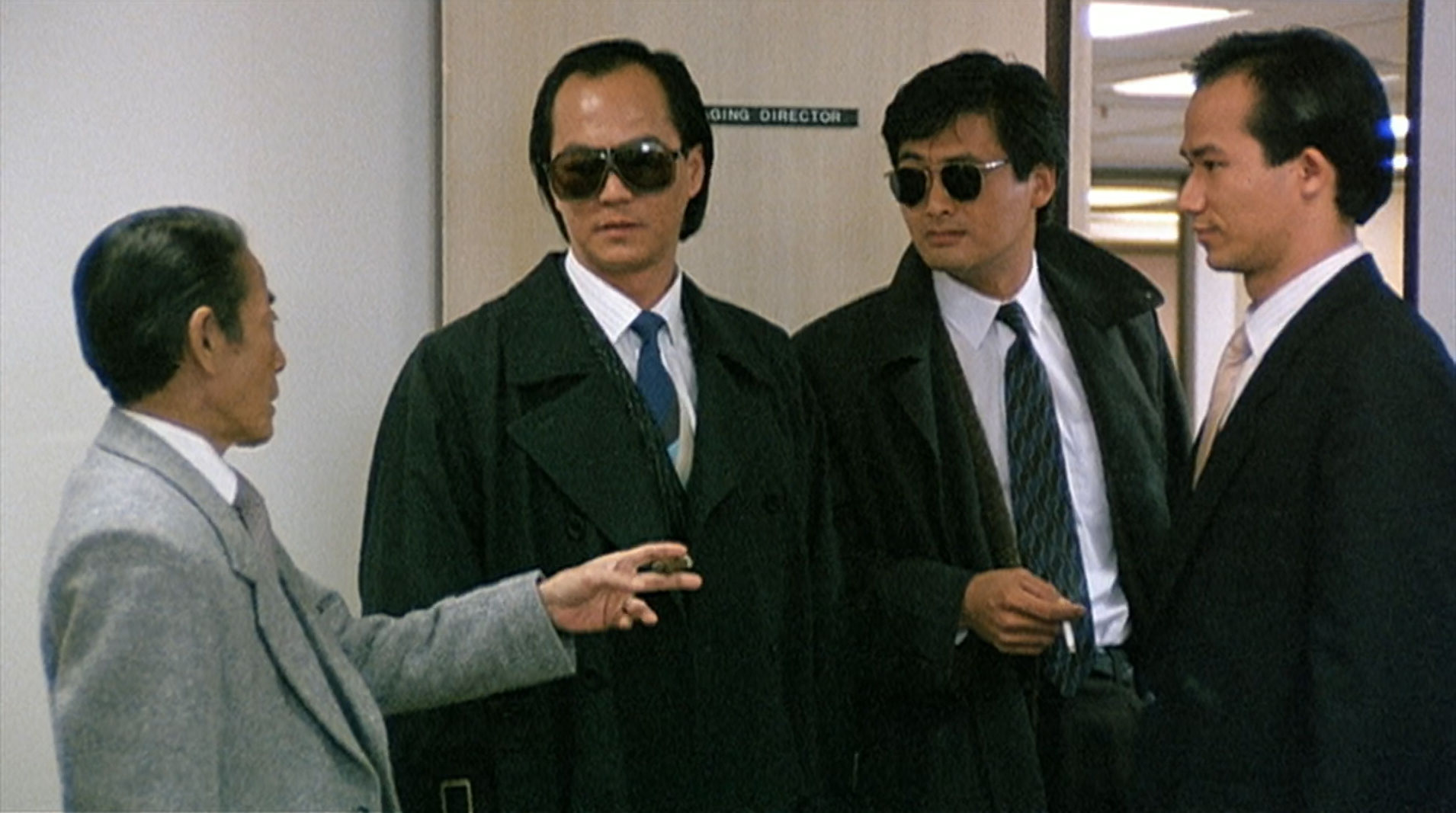
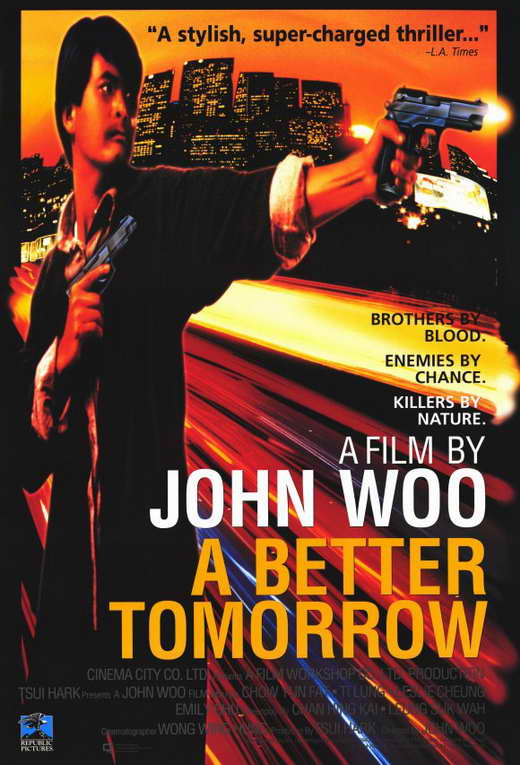
Em 1986 John Woo dirigiu um filme produzido por Tsui Hark que entrou para a história como um dos melhores filmes de mafia chinesa de todos os tempos chamado no ocidente de "A Better Tomorrow" , em cantonês o filme tem o titulo de "As verdadeiras cores de um herói". O filme estrela o austero ator Ti Lung como "Grande Irmão mais velho Ho" (Ho Da Ge) como o "Si Hing" de uma Família mafiosa  que tem a excelência em cada trabalho que executa. Ao seu lado, o frívolo e estiloso Mark Lee , interpretado magistralmente por Chow Yun-Fat. Por fim, temos Leslie Cheung, irmão mais novo de Ho (Ti Lung) que deseja se tornar policial.

In 1986 John Woo directed a film produced by Tsui Hark who went down in history as one of the best Chinese mafia movie of all time called in the West as "A Better Tomorrow" in Cantonese the film has the title  of"The true colors a hero ". The film star the elegant actor Ti Lung  as "Big Brother Ho" (Ho Da Ge) as the "Si Hing" of a Mafia family having excellence in every job that he does. Beside him, the frivolous and stylish Mark Lee, played masterfully by Chow Yun-Fat. Finally, we have Leslie Cheung, younger brother of Ho (Ti Lung) who wants to become a police officer.
Mestre Miguel Hernandez com o astro Ti Lung no museu de Ip Man em Faat Saan (FoShan).
Master Miguel Hernandez and the star Ti Lung at Ip Man Tong in Fo Shan (Faat Saan), China.

Chow Yun-Fat está tão estiloso nesse filme como Mark Lee, que instantaneamente, apesar de interpretar um gangster, você admira o personagem. O sucesso desse personagem foi tanto, que em 1986 em Hong Kong, jovens passaram a usar sobretudo pelas ruas mesmo com um clima quente. A vestimenta passou a ser chamada desde então de  "Mark Gor Lau" (ou "Sobretudo do irmão Mark") uma referência direta ao personagem.

Chow Yun-Fat is so stylish in this film as Mark Lee, that you instantly, despite he  plays a gangster, you admire the character. The success of this character was so big that in 1986 in Hong Kong, young people began to use mainly the same coat of him on the streets even with a warm climate. The dress came to be called since then "Mark Gor Lau" (or "Coat of Brother Mark") a direct reference to the character.
No filme, Chow Yun Fat usa óculos da grife do ator Alain Delon. Com o sucesso do personagem, os óculos se esgotaram no mesmo ano em toda Hong Kong. O ator francês enviou então uma carta de agradecimento a Chow Yun fat.

In the film, Chow Yun Fat wear glasses  from the line of the actor Alain Delon. With the success of the character, the glasses were sold out the same year throughout Hong Kong. French actor then sent a thanks letter  to Chow Yun Fat.
Ti Lung , que interpreta o Si Hing da Familia mafiosa está impecável no filme. A história gira em torno do pedido do pai de Ho (Ti Lung) que ele abandone a Família e trabalhe honestamente. Justamente no último serviço em TaiPei ele é traído e fica preso por três anos.
O filme mostra as desavenças entre os irmãos de sangue Kit (Leslie Cheung) e Ho (Ti Lung) e a lealdade entre Ho (Ti Lung) e Mark Lee (Chow Yun Fat) como "irmãos de juramento" da máfia.

Ti Lung, who plays the Si Hing of Mafia Family is impeccable in the film. The story revolves around the request of the father of Ho (Ti Lung)for he abandons the family and work honestly. Just in his last service in TaiPei he is betrayed and gets jail for three years.
The film shows the disagreements between blood brothers Kit (Leslie Cheung) and Ho (Ti Lung) and loyalty between Ho (Ti Lung) and Mark Lee (Chow Yun Fat) as "sworn brothers" of the Mafia.
"A better tomorrow" se tornou uma trilogia com quase um filme por ano entre 1986 e 1989. Tarantino sugou quase todo o roteiro de "Reservoir Dogs" e "Pulp Fiction" desta trilogia. Mas por ser um filme obscuro no ocidente, poucas pessoas fizeram esta ligação até hoje.

"A better tomorrow" became a trilogy with almost a film a year between 1986 and 1989. Tarantino sucked most of the script of "Reservoir Dogs" and "Pulp Fiction" from this trilogy. But because it is a unkown film in the West, few people made this link .
O filme trata acima de tudo sobre a relação de irmandade entre Ho(Ti Lung) e Mark Lee (Chow Yun Faat) e nos apresenta ao mundo da máfia chinesa. A máfia chinesa tem seus próprios códigos completamente diferentes da máfia italiana ou mesmo dos tratamentos entre membros de uma Família Kung Fu conforme o leitor se depara aqui por muitas vezes.

The film is above all about the brotherhood relationship between Ho (Ti Lung) and Mark Lee (Chow Yun Fat) and introduces us to the world of Chinese mafia. The Chinese mafia has its own completely different codes of the Italian mafia or even the treatment between members of a Kung Fu Family as the reader comes across here many times.
Na cultura chinesa o rito é de extrema importância como processo simbólico para que se estabeleça um marco. Segundo Karyn L. Lai - "...O procedimento cerimonial ocorre com base na suposição de que há um acordo geral entre as pessoas acerca dos desejos e interesses. Nos textos dos discípulos de Confúcius o conceito traduzido como reciprocidade e mutualidade , captura a essência da regra de ouro: há muita troca nas relações..."
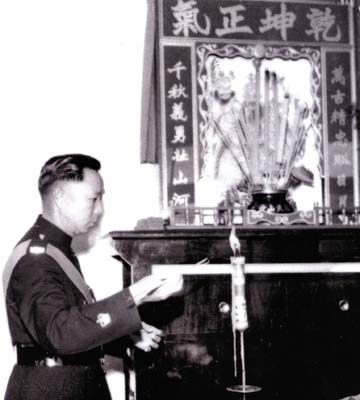
Guan Yu (foto) é um ícone da cultura chinesa que é venerado por toda a sociedade chinesa, em especial, a máfia realiza a cerimônia de admissão do novo membro diante de uma estátua de Guan Yu.

In Chinese culture the rite is of utmost importance as a symbolic process in order to establish a landmark. According to Karyn L. Lai - "... The ceremonial procedure is based on the assumption that there is general agreement among people about the desires and interests In the texts of Confucius disciples the concept translated as reciprocity and mutuality, captures the essence. of the golden rule: there is much exchange in a relationship ... "
Guan Yu (photo above) is an icon of Chinese culture that is venerated by the whole Chinese society, particularly the Mafia performs a  induction ceremony for the new member in front of a statue of Guan Yu.
Nesta foto dos anos '60, um sargento da polícia de Hong Kong acende incensos para em seguida oferecê-los a Guan Yu. Isso porque apesar de ser uma figura muito presente nas famílias mafiosas , é muito comum ter um local desse em delegacias de Hong Kong.
Guan Yu , simboliza dentre tantas outras coisas a "Lealdade", talvez por isso, membros da mafia reverenciem esse ícone.

In this photo the '60s, a Hong Kong police sergeant lit incense to then offer them to Guan Yu. That's because despite being a very present figure in the Mafia families, it is very common to have a place that in police stations in Hong Kong.
Guan Yu, symbolizes among many other things the "Loyalty", so maybe, members of the mafia revere this icon.
Observamos que a relação de Ho (Ti Lung) e Mark Lee (Chow Yun Fat) apesar de conter muita amizade, um código de "irmão mais velho" é respeitado entre eles. Na verdade, na máfia chinesa, o ranking de uma Família é dividido por um numeral. Cada conjunto de números corresponde a posição do membro nessa organização familiar. Segundo Marcel Granet : "... Os números, pares e ímpares , tem como função primordial distribuir a totalidade das coisas nas categorias Yin e Yang. A essa função classificatória liga-se imediatamente uma função protocolar. O Yang suplanta o Yin: O ímpar é uma síntese do ímpar e do par..."

We note that the relationship beyween Ho (Ti Lung) and Mark Lee (Chow Yun Fat) even though it contains a lot of friendship, a code of "big brother" is respected between them. In fact, in the Chinese mafia, the ranking of a family is divided by a numeral system. Each set of numbers represents the member's position on family organization. According to Marcel Granet: "... The numbers, odd and even, has the primary duty to distribute all of the things in the Yin and Yang categories At this classificatory function binds an immediate function protocol supersedes the Yin Yang:.. 
"A Better Tomorrow" se passa em Hong Kong. Isso porque com a Revolução na China continental, no início dos anos 50 as Famílias de mafiosos tiveram que migrar para Hong Kong. Foi exatamente na mesma época em que Patriarca Ip Man chegava ao protetorado britânico na época..
Estima-se que entre os anos 50 e 60, cerca de 300;000 membros dessas Famílias desembarcaram em Hong Kong. Desta forma, não é de se estranhar a locação usada para o filme.

"A Better Tomorrow" is set in Hong Kong. That's because with the Revolution in mainland China in the early 50s the mafia families had to migrate to Hong Kong. It was exactly the same time that Patriarch Ip Man came to the British protectorate at the time ..
It is estimated that between 50s and 60s, about 300, 000 members of these families arrived in Hong Kong. Thus, it is no wonder the location used for the film.

Acompanhe abaixo o trailer desta obra prima de John Woo e Tsui Hark!

Watch below this master-piece by John Woo and Tsui Hark!